
Browse Items (57 total)
- Collection: Maximum Detention Buildings
Sort by:
Report of Architects for 1944-1945
With the war in Europe ended, the architects recommend that the hospital try again to construct a building for patients with "criminal tendencies."
Report of Architects for 1942-1943
Lafaye lists payments received during the year, including payment for preliminary work on the Criminal Insane Building. The hospital had to shelve the project but has retained the plans and specifications for future use.
Report of Architects for 1941-1942
Lafaye reports that plans for a "criminal insane" building are on hold. The War Production Board ruled that the building would require too much "critical material" needed for the war effort.
"Criminal Insane," Section in Superintendent's Report for 1929
Williams once again implores the state government to fund a building for patients undergoing forensic evaluation. The hospital receives blame when these patients escape. He also mentions regular patients who are prone to violence and require a secure…
Report of the Regents for 1922
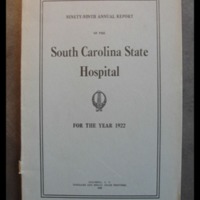
The Board of Regents reports an influx of forensic admissions. A change in state law allows judges to send defendants to the hospital for thirty days' observation and competency evaluation. The hospital lacks separate facilities for these patients.…
Report of the Regents for 1902

The Board of Regents reiterates Babcock's concern about admitting patients accused of crimes on an indefinite basis. The Board also calls for moving all high risk patients to separate wards.
"Criminals," Section in Superintendent's Report for 1897
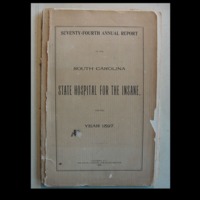
Babcock objects to probate judges committing people to the hospital who are accused of crimes. He says those cases are within the purview of criminal courts, not civil courts. On a related note, he asks that the state penitentiary create its own…
Remains of security fence at Allan Building
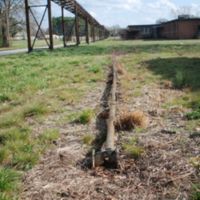
A 13-foot chain link fence enclosed the outside recreation areas at each Maximum Detention Building. As of 2014, only the bottom rails and concrete foundations still remain.
Central Hallway, Allan Building

View of Allan interior through front door.
Front entrance, Allan Building
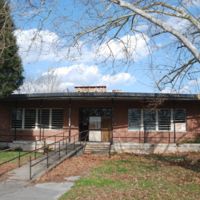
Front entrance, Allan Building. Allan is named for Sarah C. Allan, the first female physician at the S.C. State Hospital (1895-1907).